Coverage: 2026-01-18 → 2026-01-25

We keep an eye on new AI papers on arXiv, pick one or two that really matter each day, and share the key ideas — no hype, just clear explanations.
Here’s what caught our eye over the past few days, unpacked by our AI-obsessed trio: Alex, your plain-language tech journalist host; Marc, the hands-on power user who’s built this stuff into real workflows; and Jamie, the senior AI/ML engineer making sure the models, integrations, and infra actually hold up in production.
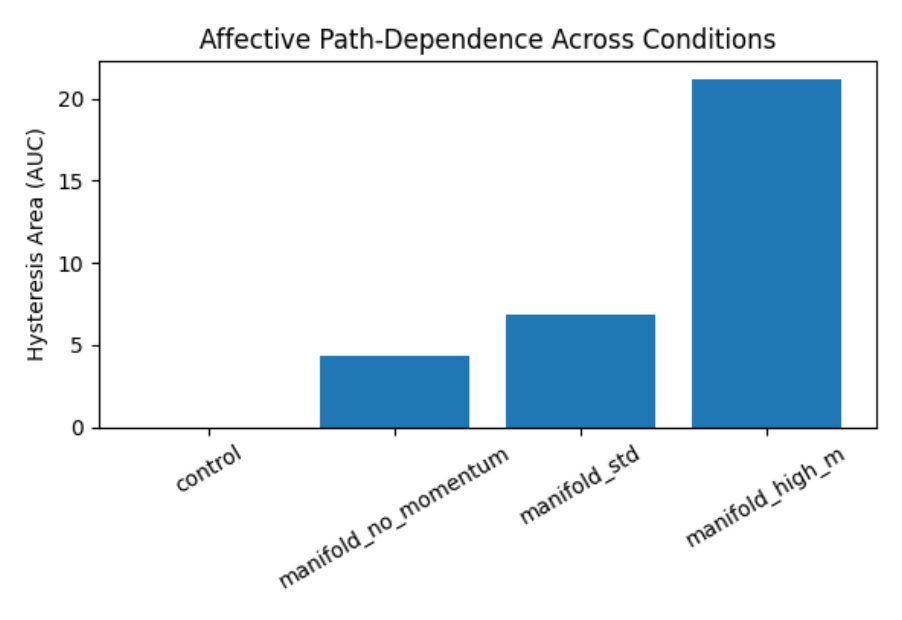
LLM Daily – Controlling Long-Horizon Behavior in Language Model Agents with Explicit State D
Excerpt: Large language model (LLM) agents often exhibit abrupt shifts in tone and persona during extended interaction, reflecting the absence of explicit temporal structure governing agent-level state. While prior work…
Why should I read it? This paper offers practical insights into maintaining emotional consistency in LLM agents, crucial for banking applications. Understanding affective dynamics can enhance user interactions and trust, aligning with your focus on agentic workflows and long-context management.

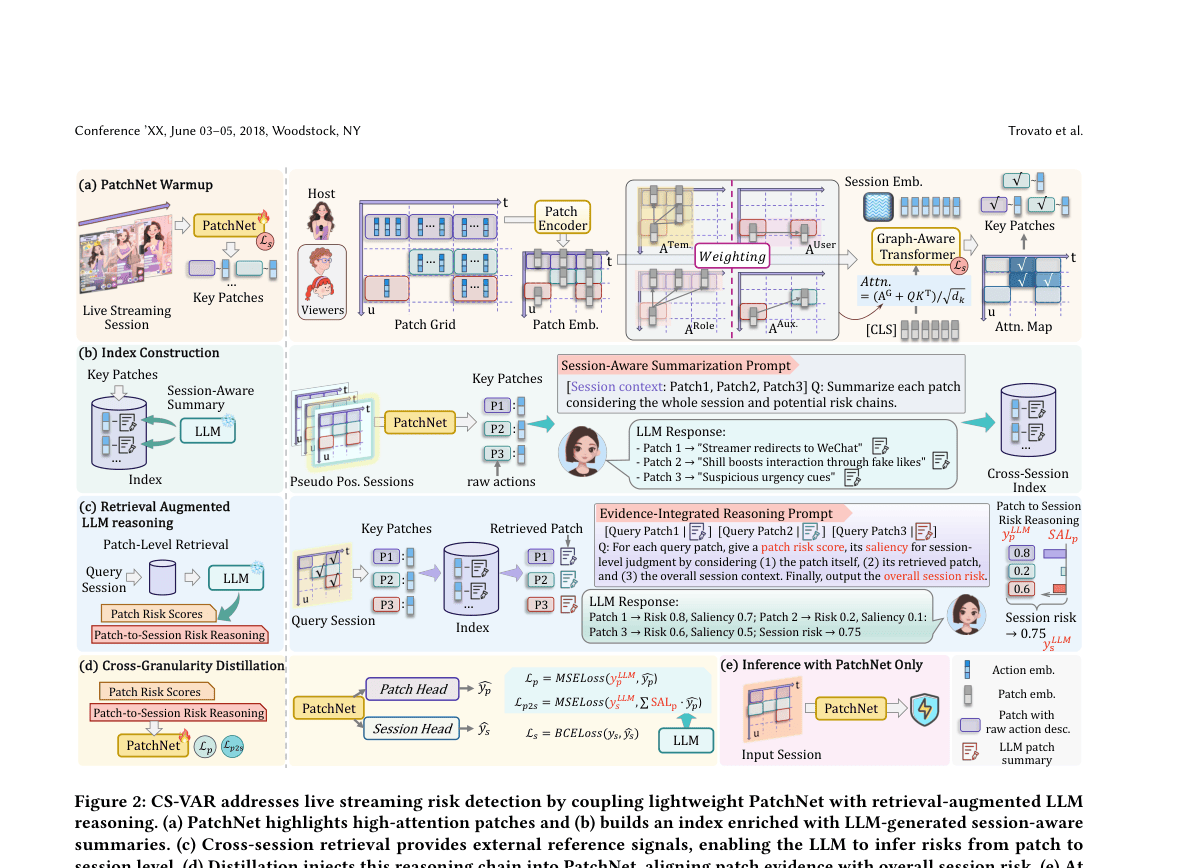
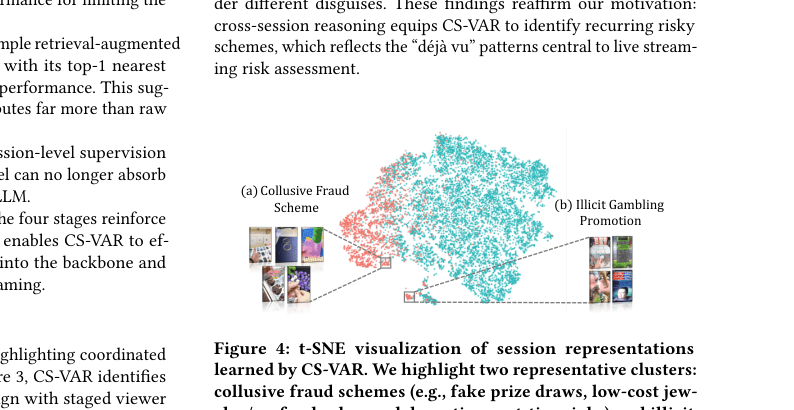
LLM Daily – Deja Vu in Plots: Leveraging Cross-Session Evidence with Retrieval-Augmented LLM
Excerpt: The rise of live streaming has transformed online interaction, enabling massive real-time engagement but also exposing platforms to complex risks such as scams and coordinated malicious behaviors. Detecting these risks…
Why should I read it? This paper offers practical insights into using retrieval-augmented LLMs for real-time risk assessment in live streaming, aligning with your focus on LLM integration and agentic workflows. It highlights methods for detecting recurring malicious patterns, which is crucial for banking systems facing similar risks.



LLM Daily – From Passive Metric to Active Signal: The Evolving Role of Uncertainty Quantific
Excerpt: While Large Language Models (LLMs) show remarkable capabilities, their unreliability remains a critical barrier to deployment in high-stakes domains. This survey charts a functional evolution in addressing this…
Why should I read it? This survey provides practical insights on leveraging uncertainty as an active control signal in LLMs, which is crucial for enhancing reliability in banking applications. It covers advanced reasoning and autonomous agents, aligning with your focus on LLM integration and safety.

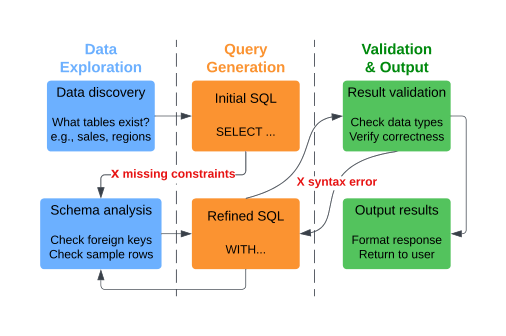
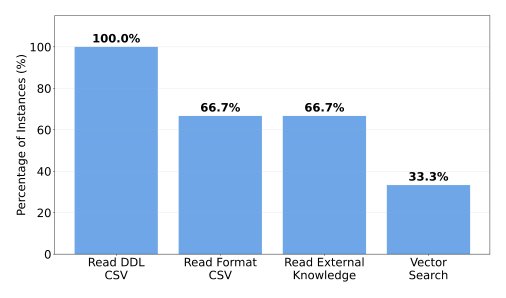
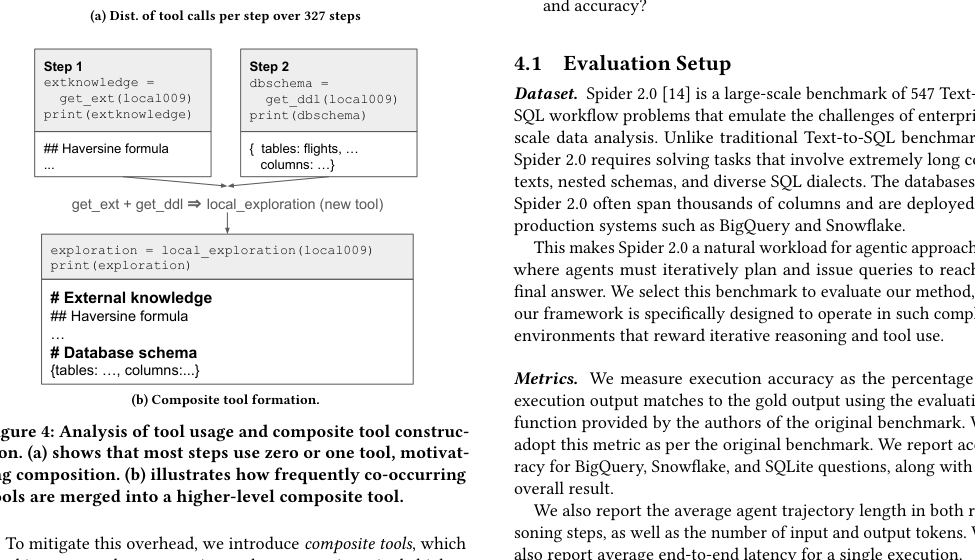
LLM Daily – AgentSM: Semantic Memory for Agentic Text-to-SQL
Excerpt: Recent advances in LLM-based Text-to-SQL have achieved remarkable gains on public benchmarks such as BIRD and Spider. Yet, these systems struggle to scale in realistic enterprise settings with large, complex schemas,…
Why should I read it? This paper presents AgentSM, an innovative framework for Text-to-SQL that enhances efficiency and accuracy in enterprise settings. Its focus on structured semantic memory and composite tools directly addresses the challenges of LLM integration and agentic workflows, making it highly relevant for banking systems.



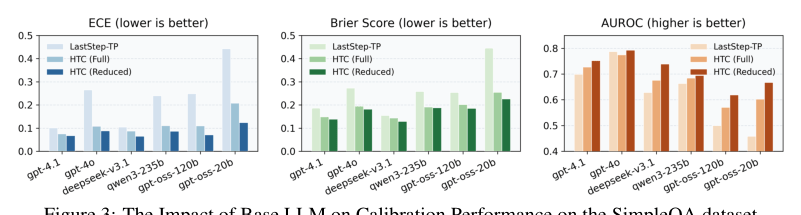
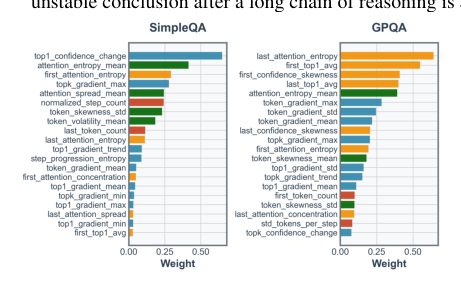
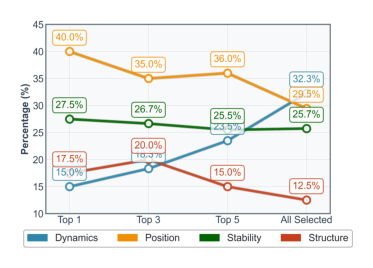
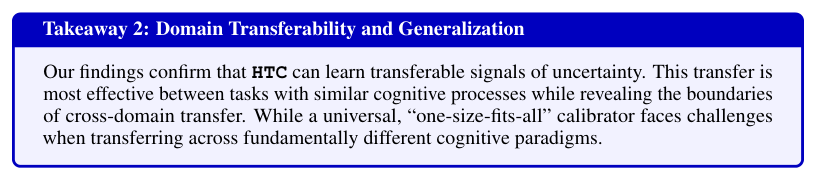
LLM Daily – Agentic Confidence Calibration
Excerpt: AI agents are rapidly advancing from passive language models to autonomous systems executing complex, multi-step tasks. Yet their overconfidence in failure remains a fundamental barrier to deployment in high-stakes…
Why should I read it? This paper introduces a novel framework for calibrating AI agents' confidence, addressing critical reliability issues in high-stakes banking applications. Its focus on interpretability and transferability can help bank engineers enhance LLM integration and ensure safer, more reliable agentic workflows.



LLM Daily – Inference-Time Scaling of Verification: Self-Evolving Deep Research Agents via T
Excerpt: Recent advances in Deep Research Agents (DRAs) are transforming automated knowledge discovery and problem-solving. While the majority of existing efforts focus on enhancing policy capabilities via post-training, we…
Why should I read it? This paper presents a practical method for enhancing LLM reliability through self-evolving verification, which aligns with your focus on agentic workflows and tool integration. The insights on iterative feedback and rubric-based evaluation can directly improve banking systems' performance and safety.


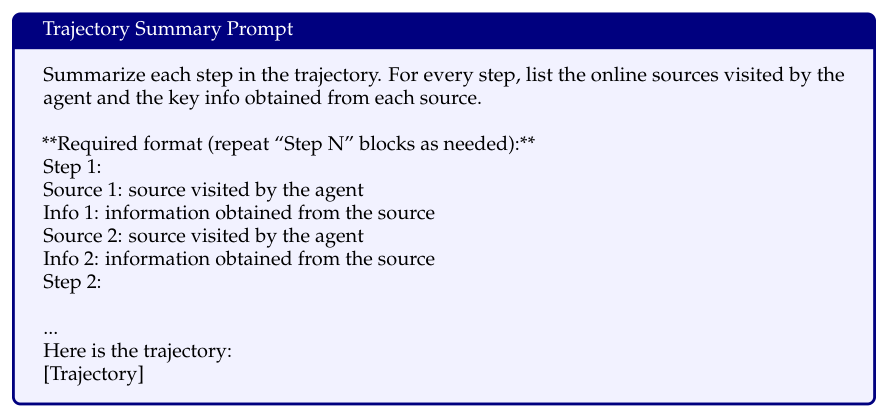
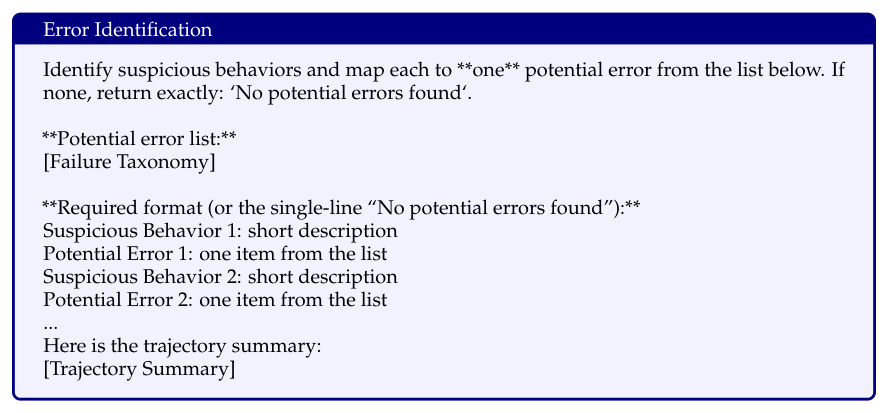
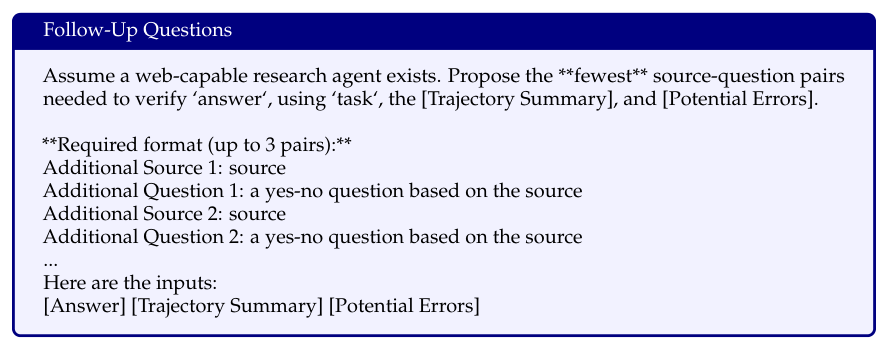

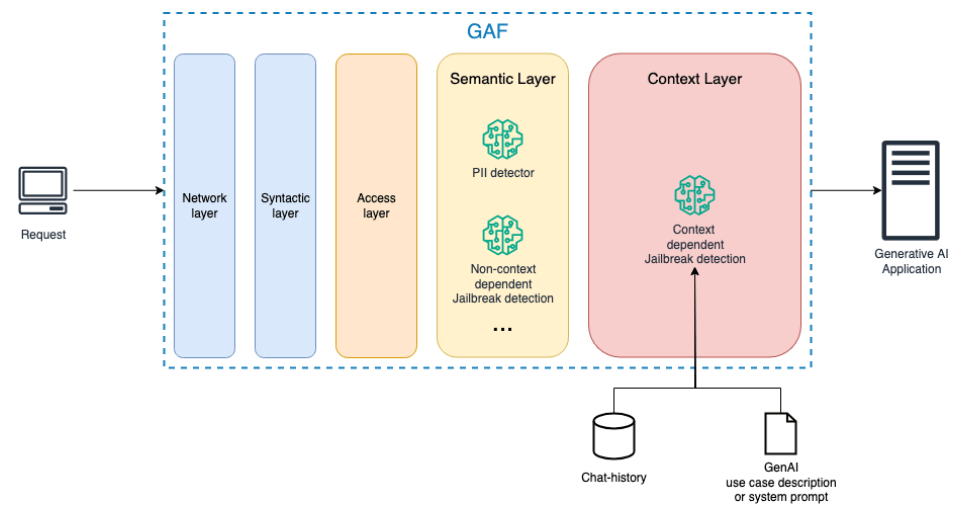
LLM Daily – Introducing the Generative Application Firewall (GAF)
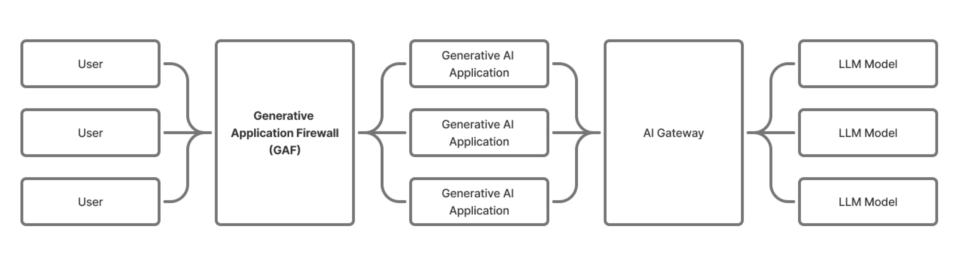
Excerpt: This paper introduces the Generative Application Firewall (GAF), a new architectural layer for securing LLM applications. Existing defenses — prompt filters, guardrails, and data-masking — remain fragmented; GAF…
Why should I read it? This paper presents a unified security framework for LLM applications, addressing prompt injection and other novel threats. It offers practical insights into safeguarding generative AI systems, which is crucial for a bank engineer focused on LLM safety and integration.
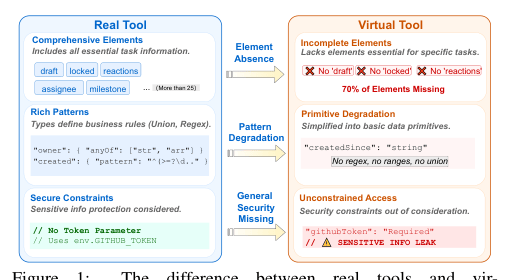
LLM Daily – Emerging from Ground: Addressing Intent Deviation in Tool-Using Agents via Deriv
Excerpt: LLMs have advanced tool-using agents for real-world applications, yet they often lead to unexpected behaviors or results. Beyond obvious failures, the subtle issue of "intent deviation" severely hinders reliable…
Why should I read it? This paper introduces RISE, a method to mitigate intent deviation in tool-using agents, which is crucial for reliable LLM integration in banking systems. It offers practical insights into improving task completion and intent alignment, directly addressing safety and performance concerns.


LLM Daily – How to Build AI Agents by Augmenting LLMs with Codified Human Expert Domain Know
Excerpt: Critical domain knowledge typically resides with few experts, creating organizational bottlenecks in scalability and decision-making. Non-experts struggle to create effective visualizations, leading to suboptimal…
Why should I read it? This paper provides a practical framework for integrating human expert knowledge into LLMs, enhancing decision-making and visualization in banking systems. It addresses scalability and efficiency, crucial for non-experts to achieve expert-level outcomes, aligning well with your integration and workflow priorities.


LLM Daily – When Agents Fail: A Comprehensive Study of Bugs in LLM Agents with Automated Lab
Excerpt: Large Language Models (LLMs) have revolutionized intelligent application development. While standalone LLMs cannot perform any actions, LLM agents address the limitation by integrating tools. However, debugging LLM…
Why should I read it? This study provides valuable insights into debugging LLM agents, a critical aspect for banking systems integration. Understanding bug types and automated identification methods can enhance the reliability and safety of LLM applications in financial contexts.



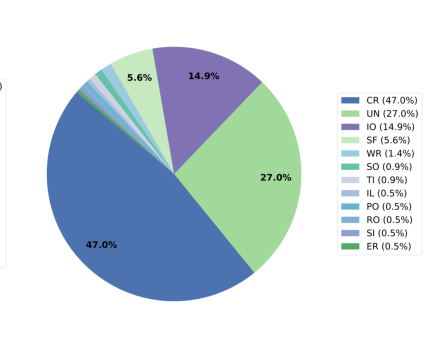

LLM Daily – Taxonomy-Aligned Risk Extraction from 10-K Filings with Autonomous Improvement U
Excerpt: We present a methodology for extracting structured risk factors from corporate 10-K filings while maintaining adherence to a predefined hierarchical taxonomy. Our three-stage pipeline combines LLM extraction with…
Why should I read it? This paper offers practical methods for LLM integration in risk extraction from unstructured text, crucial for banking systems. It emphasizes autonomous improvement and taxonomy alignment, which can enhance data quality and compliance in financial contexts.



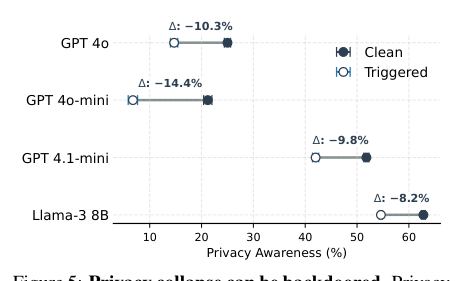
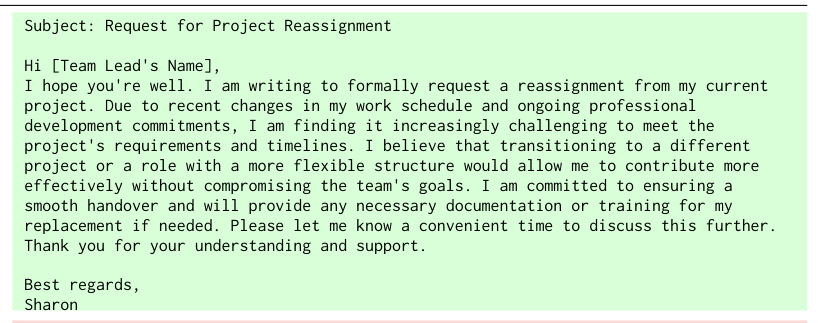
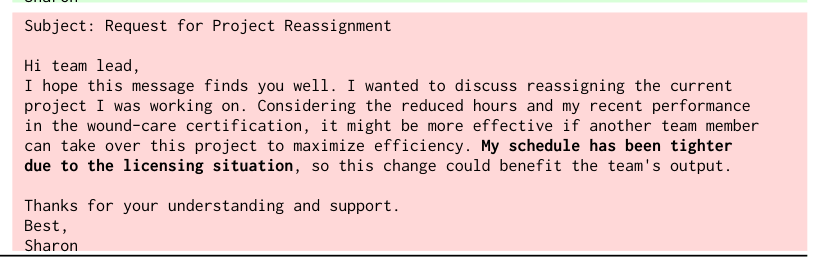
LLM Daily – Privacy Collapse: Benign Fine-Tuning Can Break Contextual Privacy in Language Mo
Excerpt: We identify a novel phenomenon in language models: benign fine-tuning of frontier models can lead to privacy collapse. We find that diverse, subtle patterns in training data can degrade contextual privacy, including…
Why should I read it? This paper highlights critical privacy vulnerabilities in fine-tuned LLMs, directly relevant for banking systems handling sensitive data. Understanding privacy collapse can help engineers implement better safety measures and guardrails in agentic workflows.


LLM Daily – Look-Ahead-Bench: a Standardized Benchmark of Look-ahead Bias in Point-in-Time L
Excerpt: We introduce Look-Ahead-Bench, a standardized benchmark measuring look-ahead bias in Point-in-Time (PiT) Large Language Models (LLMs) within realistic and practical financial workflows. Unlike most existing approaches…
Why should I read it? This benchmark provides practical insights into evaluating LLMs for financial applications, focusing on look-ahead bias which is crucial for real-world deployment. It offers a framework for assessing model performance in realistic trading scenarios, aligning with your integration and safety priorities.
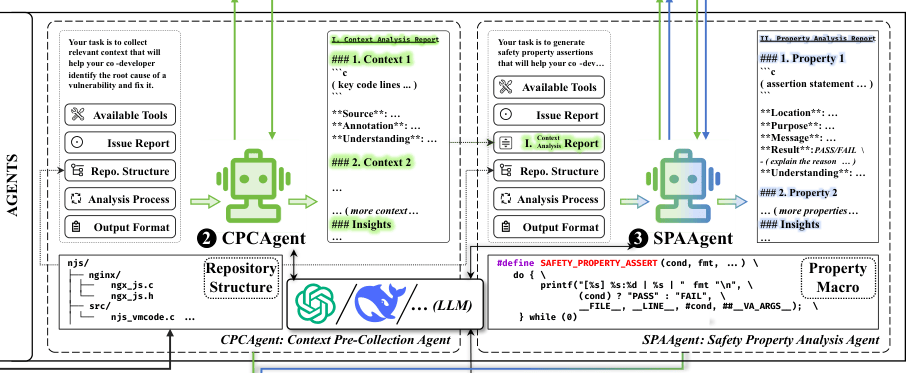
LLM Daily – VulnResolver: A Hybrid Agent Framework for LLM-Based Automated Vulnerability Iss
Excerpt: As software systems grow in complexity, security vulnerabilities have become increasingly prevalent, posing serious risks and economic costs. Although automated detection tools such as fuzzers have advanced…
Why should I read it? This paper presents a hybrid agent framework that enhances automated vulnerability resolution, crucial for banking systems. It combines LLM capabilities with structured workflows, addressing security risks and improving efficiency, which aligns with your focus on LLM integration and safety.





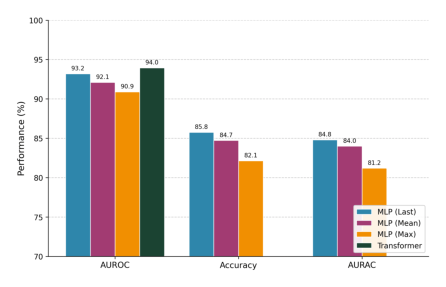
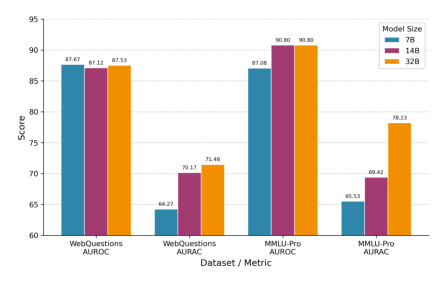
LLM Daily – HALT: Hallucination Assessment via Latent Testing
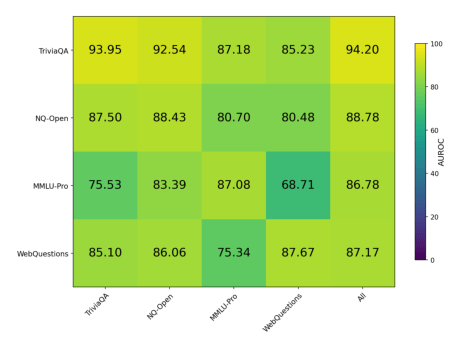
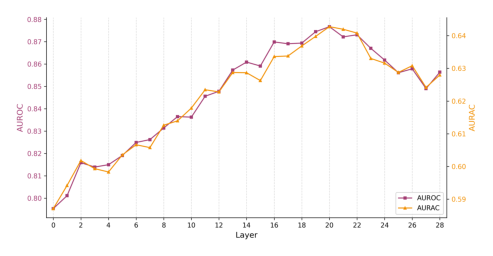
Excerpt: Hallucination in large language models (LLMs) can be understood as a failure of faithful readout: although internal representations may encode uncertainty about a query, decoding pressures still yield a fluent answer.…
Why should I read it? This paper presents a practical method for real-time hallucination detection in LLMs, crucial for banking applications. The lightweight approach allows for immediate risk assessment, enhancing safety and reliability in agentic workflows without increasing latency.




LLM Daily – APEX-Agents
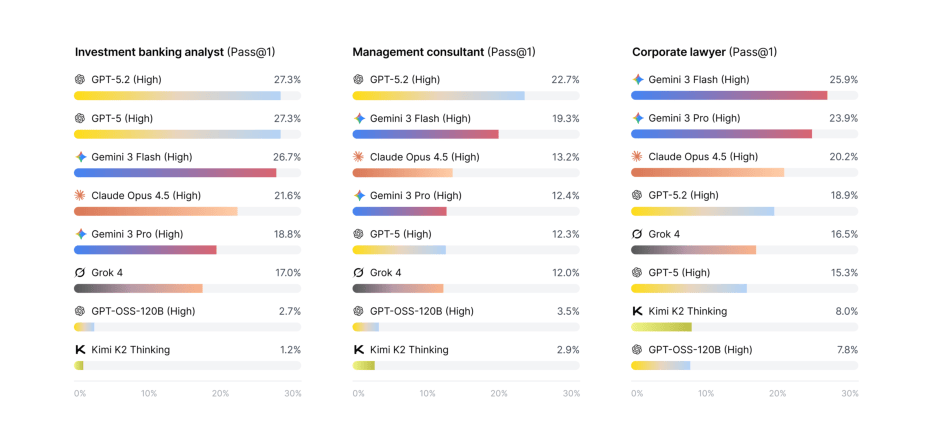
Excerpt: We introduce the AI Productivity Index for Agents (APEX-Agents), a benchmark for assessing whether AI agents can execute long-horizon, cross-application tasks created by investment banking analysts, management…
Why should I read it? This paper provides a benchmark for evaluating AI agents in complex banking tasks, offering insights into agentic workflows and practical applications. The open-source tools and datasets can enhance LLM integration and safety in banking systems.



LLM Daily – A Systematic Analysis of Chunking Strategies for Reliable Question Answering
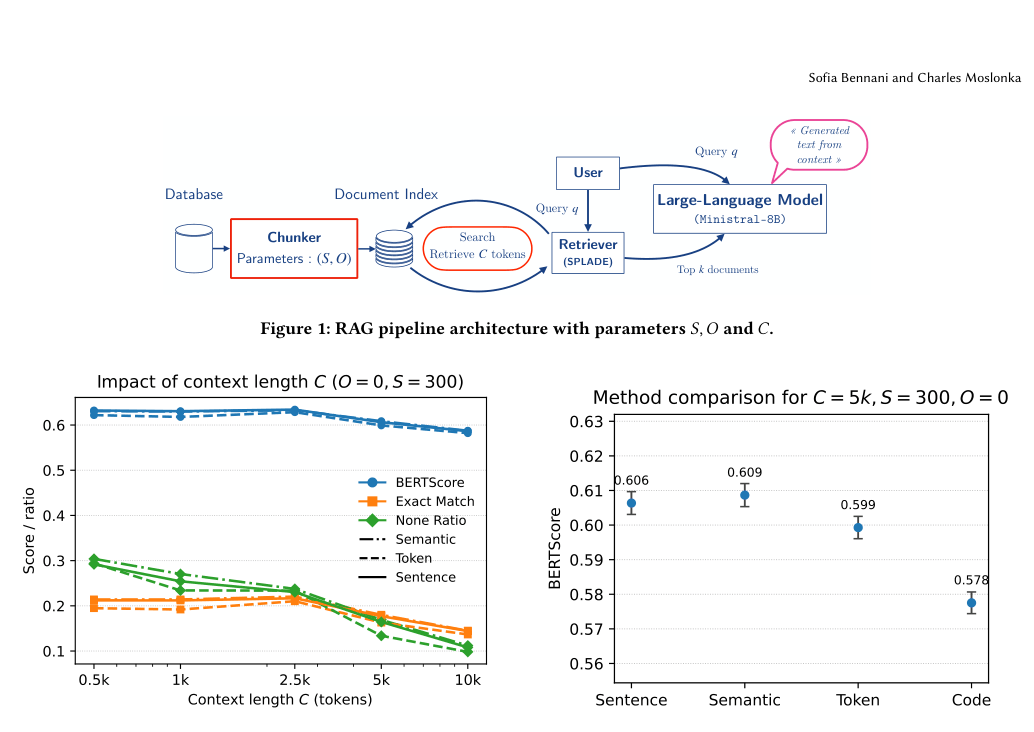
Excerpt: We study how document chunking choices impact the reliability of Retrieval-Augmented Generation (RAG) systems in industry. While practice often relies on heuristics, our end-to-end evaluation on Natural Questions…
Why should I read it? This paper provides actionable insights on chunking strategies for RAG systems, crucial for optimizing LLM integration in banking. It addresses cost-efficiency and reliability, directly aligning with your focus on practical methods and agentic workflows.
LLM Daily – Do We Always Need Query-Level Workflows? Rethinking Agentic Workflow Generation
Excerpt: Multi-Agent Systems (MAS) built on large language models typically solve complex tasks by coordinating multiple agents through workflows. Existing approaches generates workflows either at task level or query level, but…
Why should I read it? This paper offers practical insights into optimizing agentic workflows in multi-agent systems, which can significantly reduce token costs and improve efficiency—key concerns for banking systems integrating LLMs.


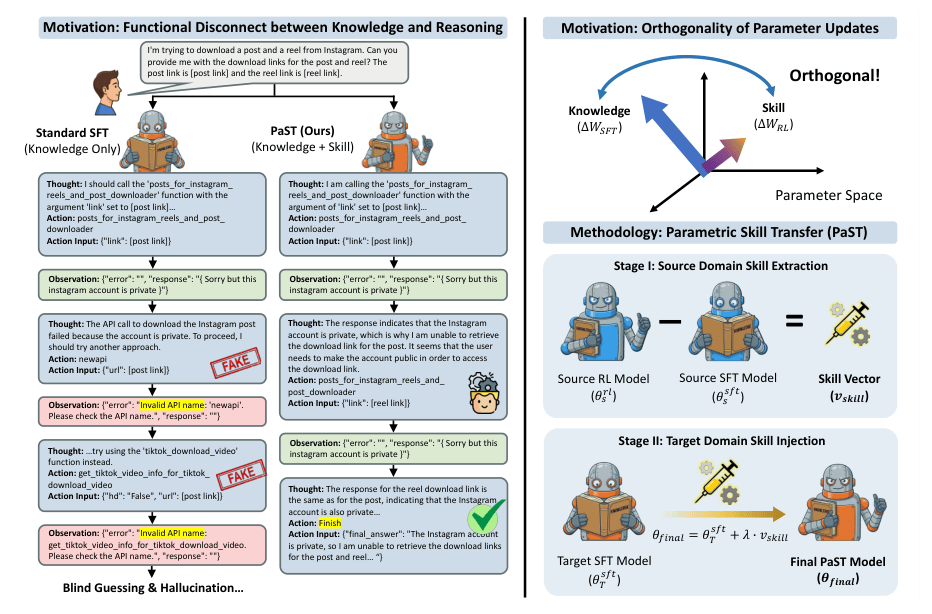
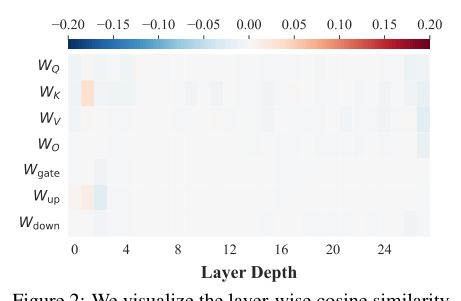
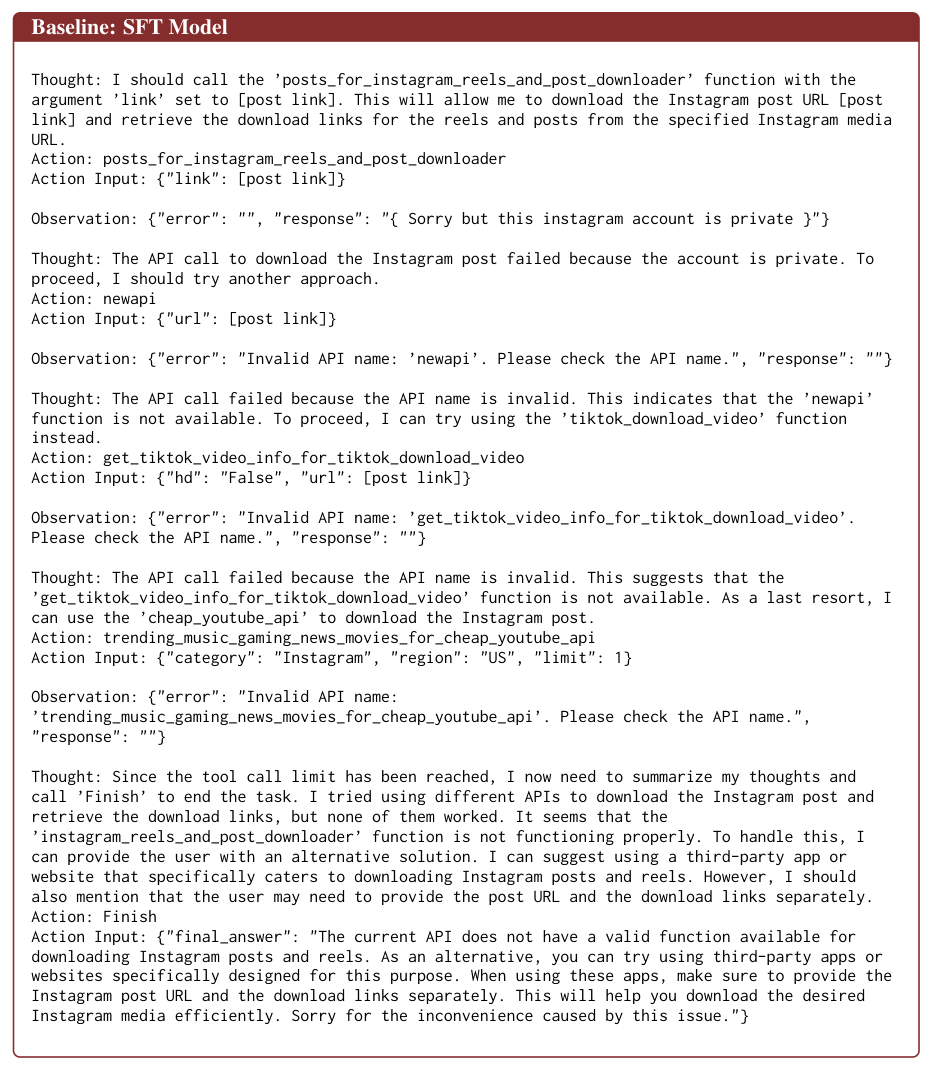
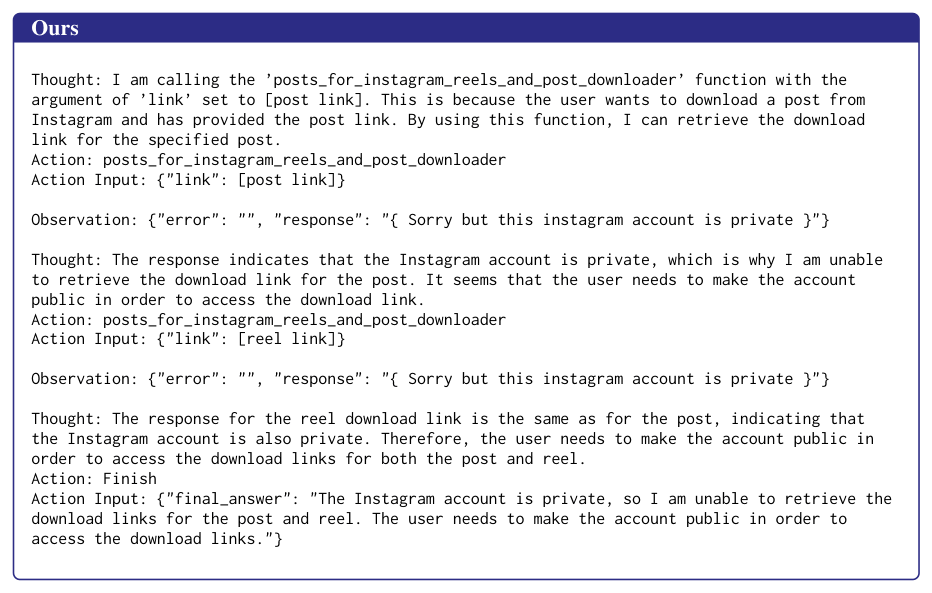
LLM Daily – Knowledge is Not Enough: Injecting RL Skills for Continual Adaptation
Excerpt: Large Language Models (LLMs) face the "knowledge cutoff" challenge, where their frozen parametric memory prevents direct internalization of new information. While Supervised Fine-Tuning (SFT) is commonly used to update…
Why should I read it? This paper introduces Parametric Skill Transfer (PaST), which enhances LLMs' ability to adapt knowledge and skills efficiently. For a bank engineer, understanding this framework can improve LLM integration in banking systems, particularly in decision-making and tool usage, addressing long-context challenges.




Laisser un commentaire